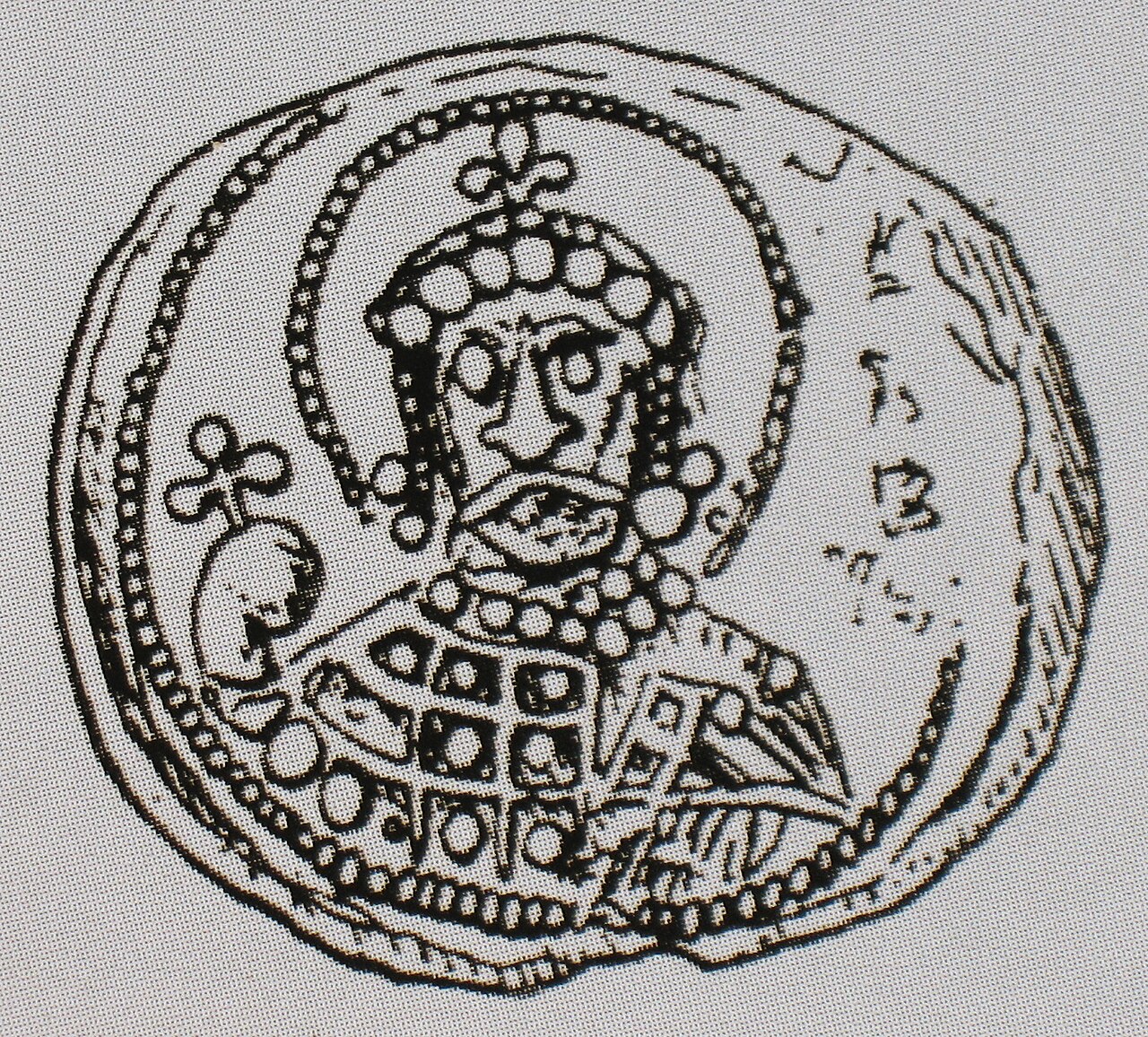
Vladimir the Great: How One Prince Christianized Kievan Rus'
In the annals of East Slavic history, few figures loom as large and as transformative as Vladimir Svyatoslavich, universally known as
Vladimir the Great. Reigning as Grand Prince of Kiev from 980 to 1015, Vladimir orchestrated a pivotal shift that would irrevocably alter the course of an entire civilization: the transition of Kievan Rus' from deeply rooted Slavic paganism to Orthodox Christianity. This monumental decision, driven by a complex interplay of political acumen, cultural aspiration, and perhaps genuine spiritual awakening, laid the foundations for the future states of Russia, Ukraine, and Belarus, shaping their identity, culture, and geopolitical alignment for over a millennium.
From Pagan Warlord to Seeker of Divine Guidance
The early life of Vladimir was far from saintly; it was steeped in the brutal power struggles characteristic of the nascent medieval states. Born around 958, Vladimir was the illegitimate son of Grand Prince Sviatoslav I and Malusha, a Kievan woman of uncertain status. This challenging start, however, did not deter his ambition. Following the death of his formidable father in 972, Kievan Rus' plunged into a period of fratricidal conflict as Vladimir vied for control with his half-brothers, Yaropolk and Oleg. Through cunning strategy and military might, Vladimir emerged victorious, seizing power in Kiev in 980.
His initial reign was marked by a vigorous promotion of Slavic paganism. Far from abandoning his ancestral beliefs, Vladimir, in fact, strengthened them. He ordered the construction of a grand pantheon of idols in Kiev, prominently featuring Perun, the god of thunder and war, along with other deities central to the Slavic spiritual world. This move can be interpreted not merely as adherence to tradition, but as a deliberate attempt to consolidate political power by unifying the diverse tribes of Rus' under a common, state-sanctioned pagan cult. It demonstrated his understanding of religion as a powerful tool for social cohesion and legitimization, a realization that would prove crucial in his later, far more radical, religious shift. His early pagan reforms, therefore, were not a contradiction but a precursor to his later Christianization, highlighting his pragmatism as a ruler.
The Strategic Conversion: A Masterstroke of Diplomacy and Faith
The year 988 stands as the most critical juncture in Vladimir's reign and, arguably, in East Slavic history. It was then that
Vladimir adopted Byzantine Christianity, a decision that unfolded through a blend of legendary accounts and shrewd geopolitical maneuvering. According to the revered Russian Primary Chronicle, Vladimir embarked on a profound quest to find the "true" religion. He reportedly dispatched emissaries to evaluate the major faiths of the era: Islam among the Volga Bulgars, Judaism among the Khazars, Latin Christianity in the Holy Roman Empire, and finally, Orthodox Christianity in Constantinople.
The envoys’ reports were said to be particularly captivated by the grandeur of the Hagia Sophia and the elaborate rituals of the Byzantine liturgy. "We knew not whether we were in heaven or on earth," they reported, describing the sublime beauty and spiritual depth of the Orthodox service. While this narrative undoubtedly carries hagiographic elements, it powerfully conveys the cultural and aesthetic appeal of Byzantine Orthodoxy that deeply influenced Vladimir's choice.
However, the conversion was far from a purely spiritual epiphany. It was underpinned by a calculated political alliance with the Byzantine Emperor Basil II. Facing internal revolts and external threats, Basil II desperately needed military aid.
Vladimir, seizing the opportunity, offered a contingent of elite Varangian mercenaries in exchange for a marriage alliance with the emperor's sister, Anna Porphyrogenita – a princess "born in the purple" and thus of immense prestige. This was an unprecedented demand, as no barbarian ruler had ever been granted such a privilege. The marriage legitimized Vladimir on the international stage, elevating the status of Kievan Rus' from a peripheral entity to a significant player in the European political landscape. It also promised access to Byzantine administrative models, art, architecture, and literacy.
Upon his return to Kiev, armed with a new faith and a powerful imperial bride,
Vladimir initiated the mass baptism of his subjects in the Dnieper River. This dramatic event, often depicted as a collective spiritual awakening, was simultaneously a forceful imposition of the new state religion. Pagan idols were toppled and destroyed, and old temples dismantled. This act symbolized a definitive break with the pagan past and marked the formal beginning of Orthodox Christianity as the dominant faith of Kievan Rus'.
Forging a Christian State: Law, Architecture, and Administration
Following his conversion,
Vladimir dedicated the rest of his reign to solidifying Christianity's institutional presence within Kievan Rus'. This involved much more than merely decreeing a new faith; it was a profound cultural and administrative transformation. He actively worked to dismantle the remnants of paganism, replacing them with Christian symbols and practices. Churches were erected, often on sites previously sacred to pagan gods, physically demonstrating the triumph of the new religion. The most notable of these was the magnificent Church of the Tithes in Kiev, the first stone church in Rus', which served as a testament to the burgeoning Christian state and became a model for future ecclesiastical architecture.
Beyond religious structures, Vladimir also began to shape a Christian legal and administrative framework. While the formal compilation of the Russkaya Pravda (Rus' Law) came later, Vladimir’s rule laid crucial groundwork for East Slavic law, introducing principles influenced by Byzantine Christian ethics into governance and justice. His reign saw the establishment of bishoprics, the organization of a nascent clergy, and the introduction of Christian education, albeit initially limited to the elite.
Militarily,
Vladimir continued to expand and secure the borders of Kievan Rus'. His campaigns against nomadic incursions, particularly from the Pechenegs, not only protected his territories but also demonstrated the unifying power of the new Christian ideology, which provided a common identity and purpose for his diverse subjects. For a deeper dive into how his legal and faith decisions intertwined, you might explore
Decoding Vladimir the Great: Legacy, Faith, and East Slavic Law.
Vladimir's Enduring Legacy: A Father of Nations
The impact of
Vladimir the Great's decision cannot be overstated. His conversion of Kievan Rus' was not merely a change of religion; it was a civilizational choice that anchored the East Slavs firmly within the Byzantine Orthodox sphere, distinguishing them from their Catholic neighbors to the west and their Muslim counterparts to the south. This orientation profoundly influenced the development of East Slavic art, literature, music, and political thought.
For his pivotal role, Vladimir was canonized as a saint in the Eastern Orthodox Church, celebrated as Holy Equal-to-the-Apostles Prince Vladimir. His legacy endures as a foundational figure in the historical narratives of Russia, Ukraine, and Belarus, revered for transforming a collection of pagan tribes into a powerful Christian state. However, it is crucial to approach primary historical accounts, such as the Russian Primary Chronicle, with a critical eye. These narratives often blend historical events with hagiographic elements, idealizing his motives and actions. While a spiritual awakening may have played a part, the strategic advantages of aligning with Byzantium – political legitimacy, cultural advancement, and a powerful ally – were undeniable.
Understanding Vladimir's conversion offers invaluable insights into the complex interplay between religion, politics, and national identity. His decision was a masterclass in strategic leadership, demonstrating how a single ruler's choice can shape the destiny of millions for centuries to come. The long-term ramifications of his actions continue to resonate, influencing everything from religious traditions to geopolitical alignments in the region, a topic further explored in
Vladimir's Reach: From Ancient Conversion to Modern Russian Influence.
In essence,
Vladimir's actions cemented the identity of the East Slavs, giving them a spiritual and cultural anchor that has survived countless historical upheavals. The vibrant Orthodox traditions, the rich cultural heritage, and the distinctive East Slavic civilization are all direct descendants of the seeds planted by Vladimir the Great over a thousand years ago.
In conclusion, Vladimir the Great’s transformation from a pagan warlord to a Christian prince was not merely a personal journey but a monumental event that redefined Kievan Rus' and its place in the world. His strategic conversion to Orthodox Christianity in 988 laid the enduring foundations for a unique civilization, providing a shared faith, a legal framework, and a cultural identity that continue to shape the destinies of nations today. He remains a towering figure, celebrated for his courage, foresight, and the profound, lasting impact of his legacy.